What is a Free Hit in Cricket? Complete Rules Explained
The umpire extends one arm horizontally and calls no ball. The crowd immediately starts anticipating what comes next. The bowler walks back to their mark knowing the next delivery carries extra consequences. The batter settles in with a different kind of focus knowing they cannot be dismissed in most of the usual ways.
That next delivery is a free hit. It is one of limited overs cricket's most exciting rules, turning a bowler's mistake into a genuine batting opportunity, and understanding exactly how it works what protections the batter has, what dismissals still apply, and when free hits carry over gives you a completely different way of watching those moments.
What a Free Hit Is and When It Applies
A free hit is a delivery in limited overs cricket during which the batter cannot be dismissed by the most common methods of dismissal. It is awarded as a consequence of a no ball, giving the batting side both the extra run from the no ball itself and the further penalty of a delivery the bowler cannot take a conventional wicket from.
Free hits only apply in ODI cricket and T20 cricket. They do not exist in Test match cricket, where no balls are penalised only with an extra run and an additional delivery, without the free hit consequence. This distinction is important because many fans assume the free hit rule is universal across all formats.
The free hit delivery must be bowled from the same position and bowler as the no ball that triggered it. The umpire signals the free hit by rotating one arm in a circular motion above their head after calling no ball, and this signal is repeated when the free hit delivery is about to be bowled so both the batter and fielding side are aware of its status.
Which No Balls Trigger a Free Hit
Not every type of no ball automatically produces a free hit in all competitions, though in most ICC-sanctioned ODI and T20 cricket all no balls do carry the free hit consequence.
The most common trigger is a front foot no ball the bowler overstepping the popping crease during their delivery stride. This is the type fans most frequently see triggering a free hit in live matches.
Other no balls that trigger a free hit include illegal deliveries above waist height including beamers, back foot no balls where the bowler's back foot lands outside the return crease, and deliveries that bounce more than once. Fielding infringement no balls such as too many fielders outside the circle during a powerplay also trigger a free hit in most competition rules, though some domestic competitions may vary on this.
What a Batter Cannot Be Dismissed By on a Free Hit
The free hit removes the batter's risk of dismissal from the five most common methods of getting out.
Bowled the ball hitting the stumps and dislodging the bails directly cannot dismiss the batter on a free hit. Even a delivery that crashes straight into the stumps results in play continuing rather than a wicket.
Caught if the batter hits the ball and a fielder catches it cleanly before it touches the ground, the batter is not dismissed on a free hit. This protection is what most frequently allows batters to play aggressive attacking shots without consequence.
LBW a delivery striking the batter's pads in front of the stumps in circumstances that would normally produce an lbw dismissal cannot dismiss the batter on a free hit.
Stumped if the batter steps outside their crease and misses the ball, the wicketkeeper cannot stump them on a free hit even if they collect the ball cleanly and break the stumps with the batter out of their ground.
Hit wicket if the batter accidentally dislodges their own stumps with their bat or body while playing a shot or setting off for a run on a free hit delivery, they are not dismissed.
These five protections combined mean a batter on a free hit can play almost any shot they want without conventional dismissal risk which is precisely why free hits produce some of the most entertaining deliveries in limited overs cricket.
What a Batter Can Still Be Dismissed By on a Free Hit
Despite its name, a free hit is not entirely risk-free. Four methods of dismissal remain available to the fielding side even on a free hit delivery.
Run out is the most common and most important remaining dismissal method. If the batter attempts a run and a fielder puts down the stumps with the batter short of their crease, they are out regardless of the free hit status of the delivery. This means even on a free hit the batter must run smartly and call clearly with their partner, because a mistimed or miscommunicated run can end their innings.
Obstructing the field remains a valid dismissal. If the batter deliberately interferes with a fielder's attempt to field the ball or complete a run out, they can be dismissed even on a free hit delivery.
Handling the ball now incorporated into the obstructing the field dismissal under the Laws remains applicable on a free hit.
Hit the ball twice deliberately striking the ball a second time to gain an advantage rather than to protect the wicket can dismiss a batter on a free hit.
The practical consequence of this list is straightforward. The one realistic risk most batters face on a free hit is a run out, which is why experienced batters communicate clearly with their partner and run only when genuinely safe, even while being aggressive about the shot itself.
When the Free Hit Carries Over to the Next Ball
One of the most important details about the free hit rule that many fans miss is the carry-over provision. If the free hit delivery is itself a no ball or a wide, the free hit does not expire it carries over to the following delivery.
This carry-over continues until the free hit is bowled as a legal delivery that is not a wide. In practice this means a bowler who bowls a free hit delivery and then delivers a wide has extended the batter's protected status to the next ball as well. If that next ball is also a wide, the free hit carries over again. Only a legal delivery that is not a wide ends the free hit status, regardless of how many deliveries the carry-over has extended across.
This rule prevents a fielding team from deliberately bowling wide deliveries to minimise the attacking value of the free hit without dismissal risk, which would undermine the purpose of the rule entirely.
What Changes Tactically During a Free Hit
The free hit genuinely changes the tactical calculation for both the batter and the fielding captain in ways that go beyond simply knowing the dismissal rules.
For the batter, the removal of caught, bowled, and lbw risk makes an entire category of aggressive shots available without their usual consequences. A batter who would normally be reluctant to attempt an over-the-top lofted shot against a delivery outside their comfortable range can attempt it freely knowing that a top edge or mishit that goes to a fielder produces nothing. The batter's only genuine risk management concern is the run out, which narrows their mental focus considerably.
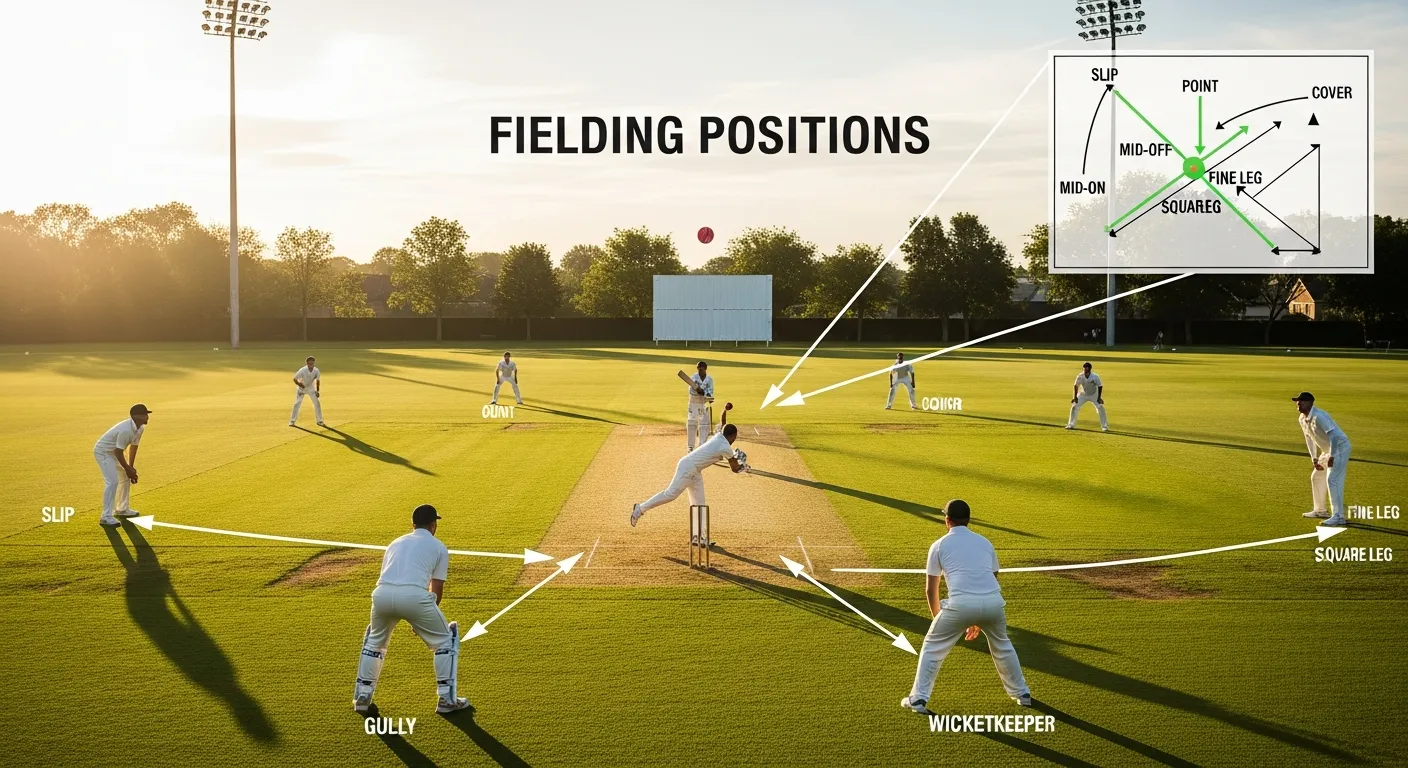
For the fielding captain, the field setting on a free hit is a specific tactical challenge. Normal aggressive fields focused on catching opportunities are less relevant because catches cannot produce wickets. Instead, captains typically move fielders to boundary positions to minimise the run-scoring damage from the attacking shot that is almost certain to follow, while keeping cover for the run out possibility by ensuring good positions at both ends of the wicket.
The bowler's approach to the free hit delivery is also a specific skill knowing the batter has maximum attacking freedom, the challenge is to bowl something difficult enough to actually defend against, rather than something the batter can simply hit over a boundary rider for six. Yorkers are a common response because they are difficult to play attacking shots from even on a free hit, where the batter cannot be dismissed but can still be restricted.
Why the Free Hit Rule Changed Limited Overs Cricket
The free hit rule was introduced to change the incentive structure around no balls in limited overs cricket. Before the free hit existed, a front foot no ball cost the bowling side one run and an extra delivery a penalty significant enough to note but not devastating given the rates at which runs are scored in T20 cricket specifically.
The free hit dramatically raised the cost of a no ball by converting the extra delivery from a normal high-risk delivery for the batter into a protected one. This created a stronger incentive for bowlers to manage their foot position carefully, reducing the frequency of careless overstepping.
It also achieved a secondary objective making no balls immediately exciting for fans rather than simply administrative interruptions. A no ball in the final over of a T20 match, converting the next delivery into a free hit with a batter swinging for maximum, is one of the most tense and watched moments in the format. The rule successfully transformed what was previously a minor technical infringement into a dramatic match moment.
FAQ: What is a Free Hit in Cricket
What is a free hit in cricket?
A free hit is a delivery in ODI and T20 cricket following a no ball, during which the batter cannot be dismissed by being bowled, caught, lbw, stumped, or hitting their own wicket. It is signalled by the umpire rotating one arm in a circular motion above their head.
Can you get out on a free hit in cricket?
Yes, but only in limited ways. A batter can still be dismissed on a free hit by being run out, obstructing the field, handling the ball, or hitting the ball twice deliberately. They cannot be dismissed bowled, caught, lbw, stumped, or hit wicket.
Does a free hit apply in Test cricket?
No. Free hits only apply in limited overs formats ODIs and T20Is. In Test cricket a no ball results only in an extra run and an additional delivery, with no free hit consequence.
What happens if a free hit delivery is a wide?
If the free hit delivery is a wide, the free hit carries over to the next delivery. It continues carrying over until the free hit is bowled as a legal delivery that is not a wide.
What types of no ball trigger a free hit?
In most ICC-sanctioned competitions all types of no ball trigger a free hit, including front foot overstepping, back foot no balls, beamers above waist height, and fielding infringement no balls.
Why was the free hit rule introduced in cricket?
The free hit rule was introduced to increase the penalty for no balls in limited overs cricket, creating a stronger incentive for bowlers to avoid overstepping, while simultaneously adding excitement for fans by turning no balls into dramatic match moments.