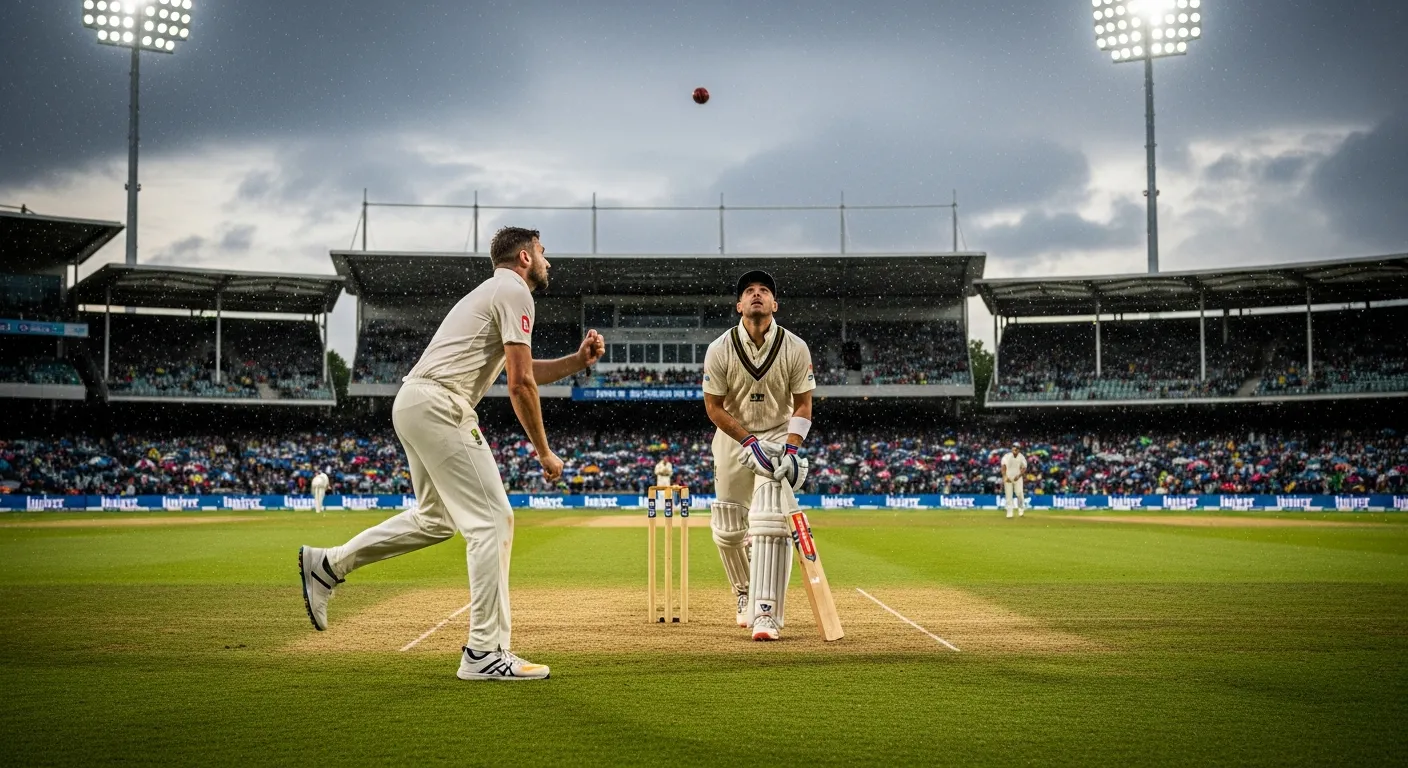
No Ball in Cricket: Meaning, Rules & All Types Explained
A no ball in cricket is an illegal delivery bowled by the bowler, and it results in one extra run being awarded to the batting team. The delivery does not count as one of the six legal balls in the over, so the bowler must bowl it again. In limited-overs cricket, a no ball is also followed by a free hit, meaning the batter cannot be dismissed on the very next delivery except by run out. Common causes include the bowler's front foot landing over the popping crease, the back foot landing outside the return crease, or the ball passing above waist height without bouncing. A batter cannot be given out bowled, caught, lbw, or stumped off a no ball, though they can still be run out. No balls are one of five types of extras in cricket, alongside wides, byes, leg byes, and penalty runs.
The umpire stretches one arm out horizontally. The crowd reacts immediately. A no ball has just been called, and depending on the format, the next few minutes could completely change the match.
A no ball in cricket is an illegal delivery one that breaks one of several specific rules governing how a bowler must deliver the ball. Understanding the no ball rule completely means understanding all the different ways a delivery can become illegal, because there are far more types than most fans realise.
Why Cricket Has No Ball Rules
Cricket's no ball rules exist for two fundamental reasons fairness and safety. Without rules governing how the ball must be delivered, bowlers could bowl from anywhere on the pitch, throw rather than bowl the ball, or aim deliveries directly at a batter's body without bouncing. None of that would produce a fair or safe contest between bat and ball.
The concept dates back to the 1700s, originally addressing bowlers overstepping with their back foot. Over nearly three centuries the rule has expanded considerably to cover the many different ways a delivery or the fielding side's positioning can be deemed unfair, while the core principle has remained constant the bowler must deliver the ball within a defined set of rules that protect both the contest's fairness and the batter's physical safety.
All Types of No Ball in Cricket
Front Foot No Ball Overstepping
This is the most common type of no ball seen in modern cricket, particularly in limited overs formats. The popping crease is the white line directly in front of the stumps where the batter stands. When a bowler delivers the ball, some part of their front foot must remain grounded behind this line. If the entire front foot lands completely over the popping crease even if just a sliver of it has crossed without any part remaining behind the delivery is called a no ball.
This particular type of no ball is checked using slow-motion replay in professional cricket because the margins are often extremely tight, sometimes a matter of millimetres. Third umpires regularly review front foot positioning on deliveries that result in a wicket, since a wicket taken off a no ball does not count and the batter is reinstated.
Back Foot No Ball
Less common than the front foot version but still part of the Laws. The bowler's back foot must land within or not touching the return crease the lines perpendicular to the bowling and popping creases that mark the outer boundary of where a bowler can deliver from. If the back foot touches or crosses outside this line during the delivery stride, it is called as a no ball.
Beamer Full Toss Above Waist Height
A beamer occurs when a delivery reaches the batter without bouncing and arrives above waist height while the batter is standing upright at the popping crease. This is considered one of the most dangerous deliveries in cricket because the batter has almost no time to react to a ball travelling at pace directly toward their upper body or head without the warning that a bounce would normally provide.
Any beamer is immediately called a no ball regardless of bowling speed or apparent intent. If an umpire judges a beamer to be deliberate, or if a bowler repeats the offence, they can be suspended from bowling for the remainder of the innings one of the more serious in-match sanctions available to umpires.
Excessive Bouncers
A bouncer a short-pitched delivery that bounces high toward the batter's upper body is a legitimate and common tactic in fast bowling, but the Laws limit how many can be bowled in a single over. In Test matches and ODIs a bowler is generally permitted a maximum of two bouncers per over that pass above the batter's shoulder height while they are standing upright. In T20 cricket the limit is typically just one. Bowling beyond the permitted number, or any bouncer that passes over the batter's head entirely, results in a no ball call.
Illegal Bowling Action Chucking
Cricket's Laws require a bowling action to be a genuine bowl rather than a throw. Specifically, once a bowler's arm reaches shoulder height during the delivery, their elbow must not straighten by more than 15 degrees before the ball is released. A delivery that violates this threshold is an illegal action, commonly called chucking, and results in a no ball call.
Suspected illegal actions can lead to formal biomechanical testing of a bowler's action outside match conditions. Bowlers found to have illegal actions face suspension from bowling until their action is corrected and re-tested, a process that has affected several international bowlers across cricket history.
Ball Bouncing Multiple Times or Rolling
If a delivery bounces more than once before reaching the popping crease, or rolls along the ground rather than bouncing properly before reaching the batter, it is called a no ball. This is considered unfair because it makes the delivery extremely difficult for the batter to play in any conventional way, and it typically occurs with very slow deliveries or accidental loss of grip.
Ball Landing Off the Pitch
If a bowler delivers a ball that lands completely outside the designated pitch area before reaching the batter, it is a no ball. This rule keeps the contest confined to the prepared playing surface rather than the unpredictable outfield surrounding it.
Wicketkeeper Moving Too Early
The wicketkeeper must remain completely behind the stumps until the ball has either touched the batter's bat or body, or passed the stumps. If the wicketkeeper moves in front of the stumps before either of those things happens, the delivery is called a no ball a rule designed to prevent the keeper from gaining an unfair advantage for run-out or stumping opportunities before the ball has legitimately reached the batter.
Fielders Standing on the Pitch
No fielder is permitted to have any part of their body on the pitch itself while the bowler is delivering the ball. A fielder encroaching onto the pitch during a delivery results in a no ball call.
Too Many Fielders Behind Square Leg
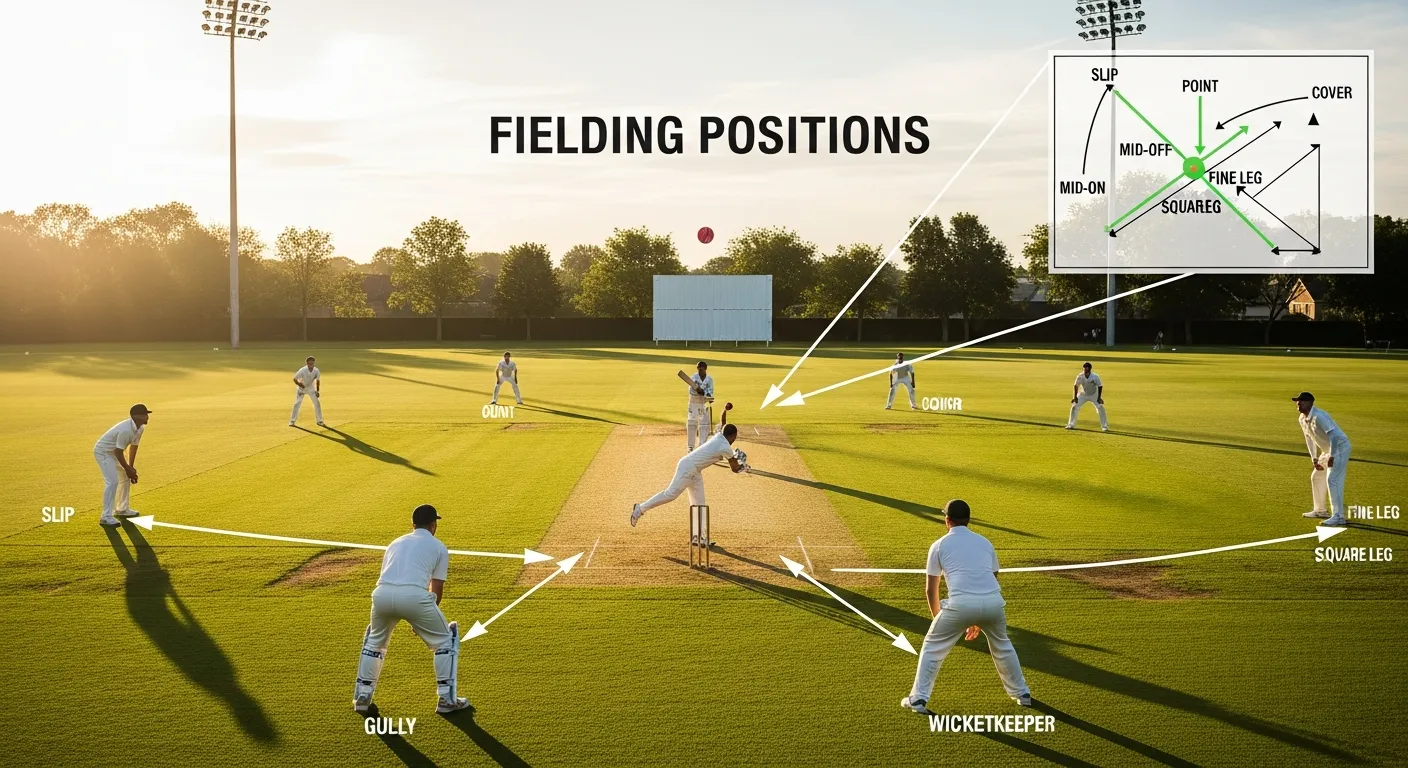
In limited overs cricket specifically, no more than two fielders are permitted behind the square leg position on the leg side at the moment of delivery. Exceeding this limit results in a no ball a rule designed to prevent overly defensive leg-side field placements that would make the game unwatchable.
Fielder Intercepting the Delivery Illegally
If any fielder other than the wicketkeeper touches the ball before it reaches the batter's bat or body or passes the stumps, the delivery is called both a no ball and a dead ball simultaneously.
Bowler Breaking the Non-Striker's Wicket Accidentally
If a bowler's body, clothing, or any object that falls from them breaks the wicket at the non-striker's end during their delivery stride and they are not attempting a legitimate run-out of the non-striker backing up too far the delivery is called a no ball.
Changing Bowling Mode Without Informing the Umpire
Bowlers must inform the umpire before changing whether they are bowling right-handed or left-handed, or whether they are bowling over the wicket or round the wicket. An unannounced change in any of these is considered unfair and results in a no ball.
Underarm Bowling Without Agreement
Underarm bowling was historically permitted in cricket but is now called as a no ball unless both teams have specifically agreed to allow it before the match begins. This rule became significant after a controversial underarm delivery incident in international cricket in 1981 that led to the rule being formalised against the practice.
What Happens Immediately After a No Ball
A no ball triggers several consequences that affect the match in different ways depending on the format being played.
One run is awarded to the batting team immediately as an extra meaning it is added to the team's total without being credited to the batter individually.
An extra delivery must be bowled because a no ball does not count toward the six legal deliveries required to complete an over. The bowler effectively has to bowl seven or more balls in that over to finish it.
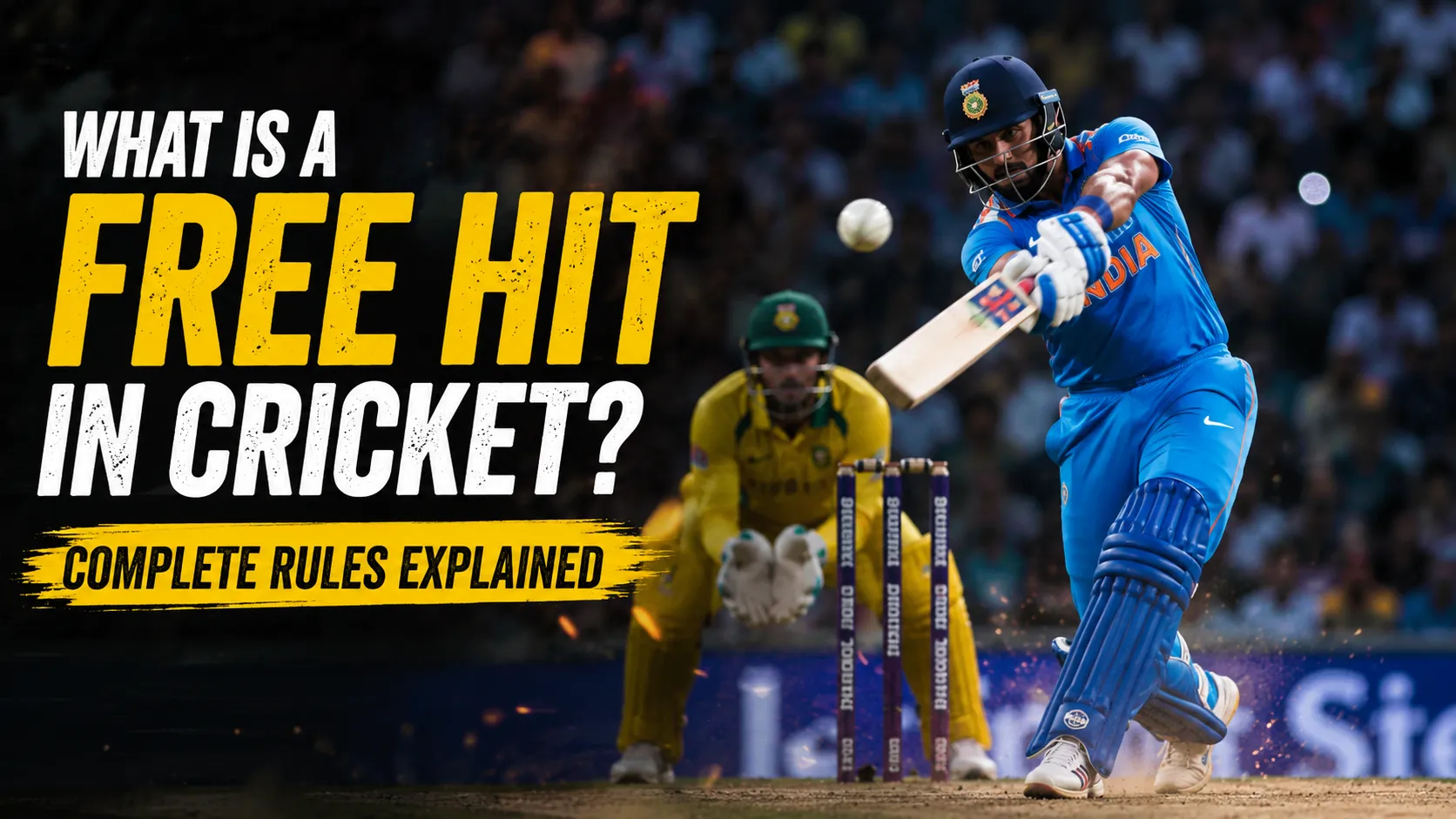
A free hit is awarded in limited overs cricket ODIs and T20Is specifically following most no balls, particularly foot fault no balls. On a free hit the batter cannot be dismissed by being bowled, caught, lbw, or stumped. The only methods of dismissal that remain available are run out, hitting the ball twice deliberately, or obstructing the field. If the free hit delivery is itself a no ball or a wide, the free hit carries over to the following ball, continuing until a legal delivery that is not a wide is bowled. Test cricket does not include the free hit rule only the one run penalty and the extra delivery apply.
Limited dismissal options apply even on a standard no ball in any format. A batter facing a no ball can still be dismissed by run out, by deliberately hitting the ball twice, or by obstructing the field, but cannot be out bowled, caught, lbw, stumped, or hit wicket.
How a No Ball Can Change a Match
The tactical impact of a no ball in limited overs cricket can be enormous, particularly late in a close match. Consider a T20 chase where the batting side needs ten runs from the final three deliveries. A no ball immediately adds one run to the target required and converts the next delivery into a free hit an opportunity for the batter to attempt a maximum shot with no risk of being bowled, caught, lbw, or stumped if they fail.
That combination a free run plus a risk-free attacking opportunity can transform a difficult chase into an achievable one in a single delivery. For the fielding side a no ball at a critical moment is one of the most costly mistakes possible, conceding both a guaranteed run and a significant tactical advantage to the opposition precisely when pressure should be working in their favour.
FAQ: No Ball in Cricket
What is a no ball in cricket?
A no ball is an illegal delivery that violates one of cricket's Laws governing how a bowler must deliver the ball, the positioning of fielders, or related fairness and safety requirements. It results in a run penalty and an extra delivery in the over.
What are all the types of no ball in cricket?
The types include front foot and back foot no balls for overstepping, beamers for full tosses above waist height, excessive bouncers beyond the permitted limit, illegal bowling actions, multiple bounces before the crease, the ball landing off the pitch, various fielding infringements including wicketkeeper movement and pitch encroachment, accidental breaking of the non-striker's wicket, unannounced changes in bowling mode, and unauthorised underarm bowling.
What happens after a no ball is called in cricket?
The batting team is awarded one extra run, the bowler must bowl an additional delivery to complete the over, and in limited overs cricket the next ball becomes a free hit where the batter cannot be dismissed by being bowled, caught, lbw, or stumped.
What is a free hit in cricket?
A free hit is a delivery following most no balls in limited overs cricket where the batter cannot be dismissed by being bowled, caught, lbw, or stumped. They can still be run out, dismissed for hitting the ball twice deliberately, or for obstructing the field.
How many bouncers are allowed per over in cricket?
In Test matches and ODIs a bowler is permitted a maximum of two bouncers per over that pass above the batter's shoulder height. In T20 cricket the limit is typically one bouncer per over.
Is a beamer always called a no ball?
Yes. Any full toss that reaches the batter without bouncing and arrives above waist height while they are standing upright is immediately called a no ball regardless of the bowler's pace or apparent intent.